Summary
Key points- Street design affects discovery, dwell time and the commercial conditions in which independent companies compete.
- Visibility creates opportunities for discovery
- Dwell time supports more than retail
- Location does not replace a sound offer
Visibility creates opportunities for discovery
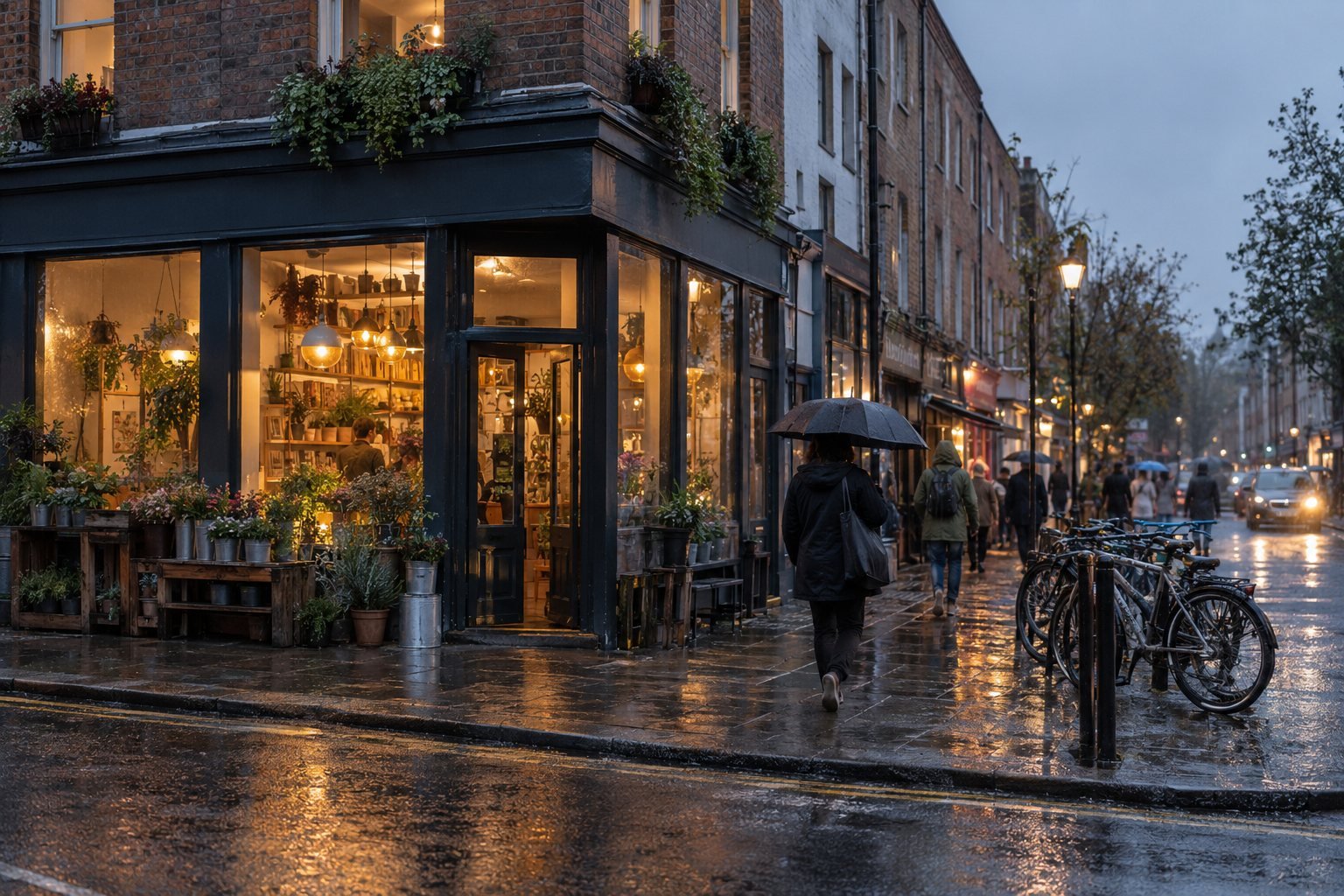
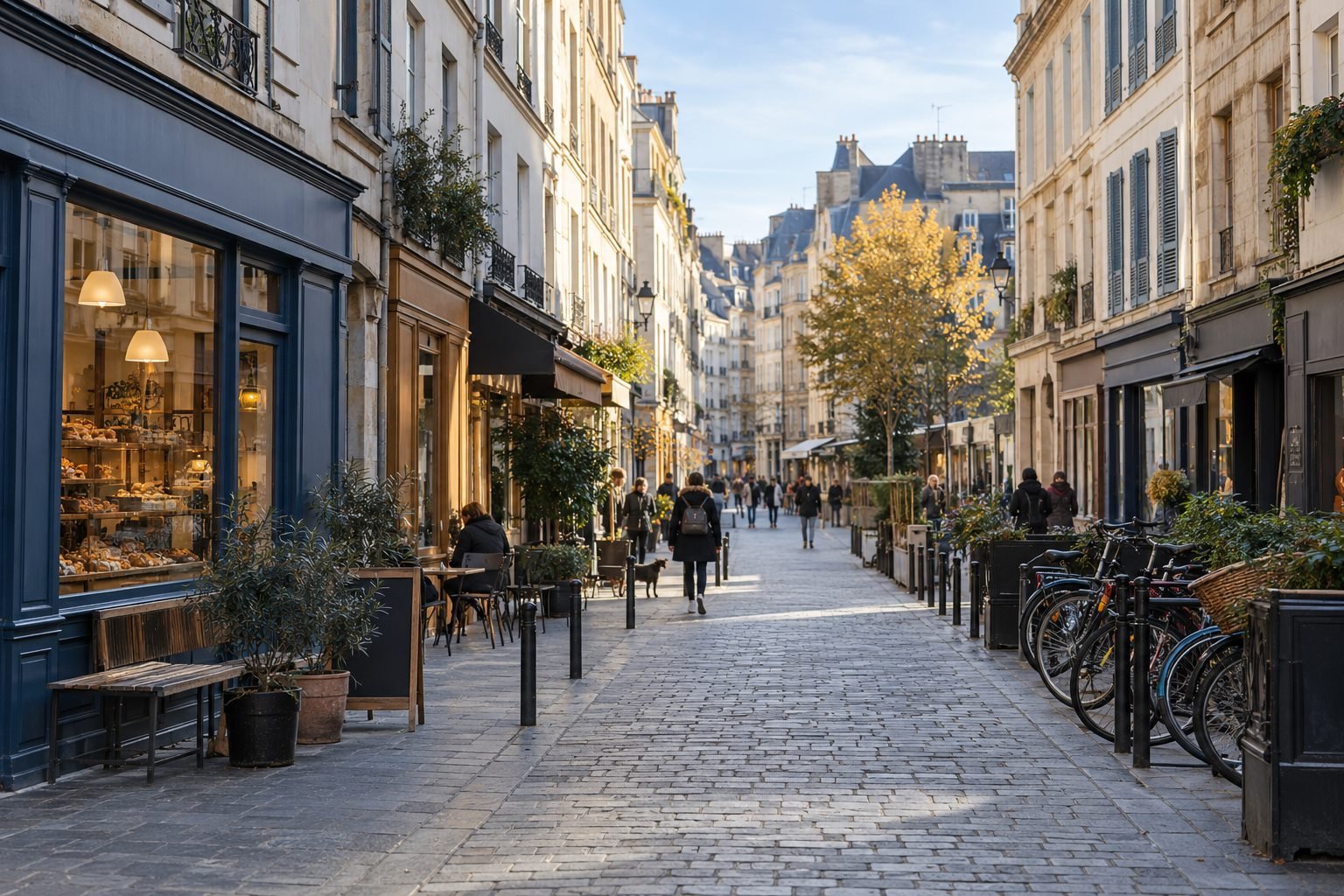
When people move through a district on foot, they encounter businesses at a pace that allows them to notice a window, read a menu or change direction. This gives unfamiliar companies more chances to enter a customer’s consideration.
For a local business, the practical task is to communicate quickly. The frontage and immediate offer should make sense to someone who was not already planning a visit.
Dwell time supports more than retail
Comfortable streets encourage people to stay in an area, which can support cafes, services, markets and mixed-use workspaces. The value comes from several complementary businesses giving customers reasons to remain nearby.
Operators can respond by understanding the wider customer journey. Partnerships, sensible opening hours and shared events may be more effective than treating every neighbouring business only as a competitor.
Location does not replace a sound offer
A busy street can provide attention, but attention does not guarantee conversion or profit. Rent, staffing, margins and repeat demand still determine whether the model works.
The commercial lesson is to connect place with fundamentals. A location should strengthen a clear offer and viable operation, not compensate for their absence.
Reporting by Shoreditch Talk